Category:
DeFiAnchorage Digital Enhances Lido Staking Access
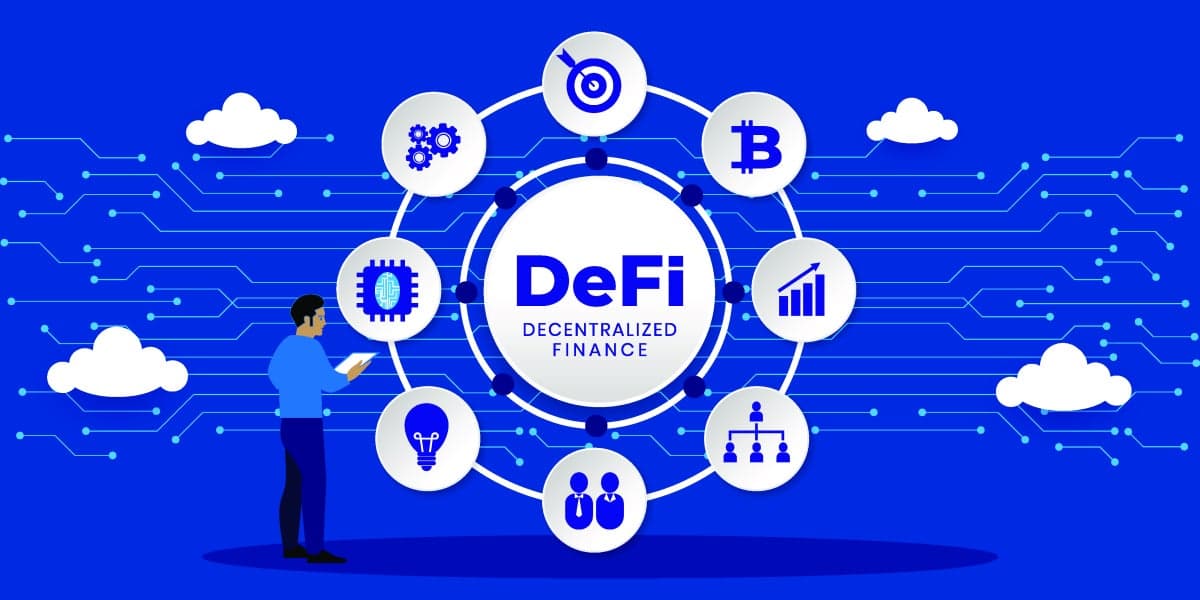
In a strategic move to cater to institutional investors, Anchorage Digital has integrated Lido into its platform, allowing clients to mint and burn wrapped staked Ether (wstETH) without leaving custody. This development signals a significant advancement in how institutions can participate in Ethereum staking while ensuring security and compliance.
The Rise of Institutional Staking
Institutional interest in cryptocurrency has surged over recent years, driven by the maturing infrastructure and regulatory landscape. As digital assets become a staple in institutional portfolios, the demand for secure and efficient staking solutions like those offered by Lido has grown exponentially.
What is Lido?
Lido is a decentralized staking platform that offers liquid staking solutions, enabling users to stake their Ether while retaining liquidity. This is achieved through tokens like wstETH, which represent staked Ether and can be traded or used as collateral in various DeFi applications.
Why Anchorage's Integration Matters
Anchorage Digital, recognized for operating the first federally chartered crypto bank in the U.S., has uniquely positioned itself to serve institutions with its robust custody solutions. By integrating Lido, Anchorage enables clients to manage staking, custody, governance, and settlement seamlessly within one regulated platform.
Unlocking Ethereum Staking Rewards 🔓🔥
The integration allows institutions to earn staking rewards without the operational complexities traditionally associated with moving assets across multiple platforms. Clients can mint and burn wstETH directly through Anchorage, maintaining liquidity while benefiting from Ethereum staking rewards.
The Mechanics of wstETH
Unlike conventional staking, wstETH offers liquidity as it can be transferred and used in various investment strategies without exiting the underlying staking position. This flexibility is crucial for institutional investors who require adaptable solutions to fit their operational workflows.
Institutional Demand and Security 🛡️
Kean Gilbert, head of institutional relations at the Lido Ecosystem Foundation, highlights the growing interest from asset managers and treasury holders in custody-based staking solutions. Lido’s audited staking infrastructure and security measures, including over $4 million spent on smart contract audits, have instilled confidence among institutional investors.
Lido's Security Blueprint
Lido's protocol is robust, with over 900 node operators and no single entity controlling more than 1% of the network. This decentralization minimizes risks and enhances security, making it an attractive option for professional investors.
The Future of Institutional Staking 🚀
The integration of wstETH on Anchorage’s platform represents a pivotal moment for institutional adoption of Ethereum staking. As more institutions look to integrate digital assets into their portfolios, the availability of secure and compliant staking options will be a key determinant of market growth.
Broader Implications for the Crypto Market
This development aligns with broader trends of increasing institutional involvement in the crypto space, heralding a new era of digital finance where traditional financial practices and crypto innovations converge.
Conclusion
Anchorage Digital’s partnership with Lido marks a significant milestone in the evolution of institutional crypto services. By offering a seamless, secure, and compliant staking experience, Anchorage is setting a new standard for how institutions can engage with Ethereum staking. As the crypto landscape continues to evolve, such innovations will be crucial in driving further adoption and integration of digital assets into mainstream finance.
Key Takeaways:
- Anchorage Digital’s integration with Lido allows for seamless Ethereum staking.
- Institutions can mint and burn wstETH without leaving custody.
- The move caters to rising institutional demand for secure and compliant staking solutions.
- Lido’s decentralized and audited infrastructure ensures high security and operational efficiency.
You May Also Like
DeFi
RWA Deposits Surge to $7.4B as DeFi Market Shifts
August 26, 2026

DeFi
The $8.5M DAO Governance Heist: How $951 Broke DeFi Security
August 25, 2026
DeFi
Aave's Hidden Liquidation Risk: Concentrated Positions & DeFi Vulnerability
August 22, 2026
DeFi
The $15 Billion Crypto Exodus: LayerZero's Crisis
August 20, 2026