Category:
DeFiLien Finance Exploit: $542K Loss in DeFi Debacle
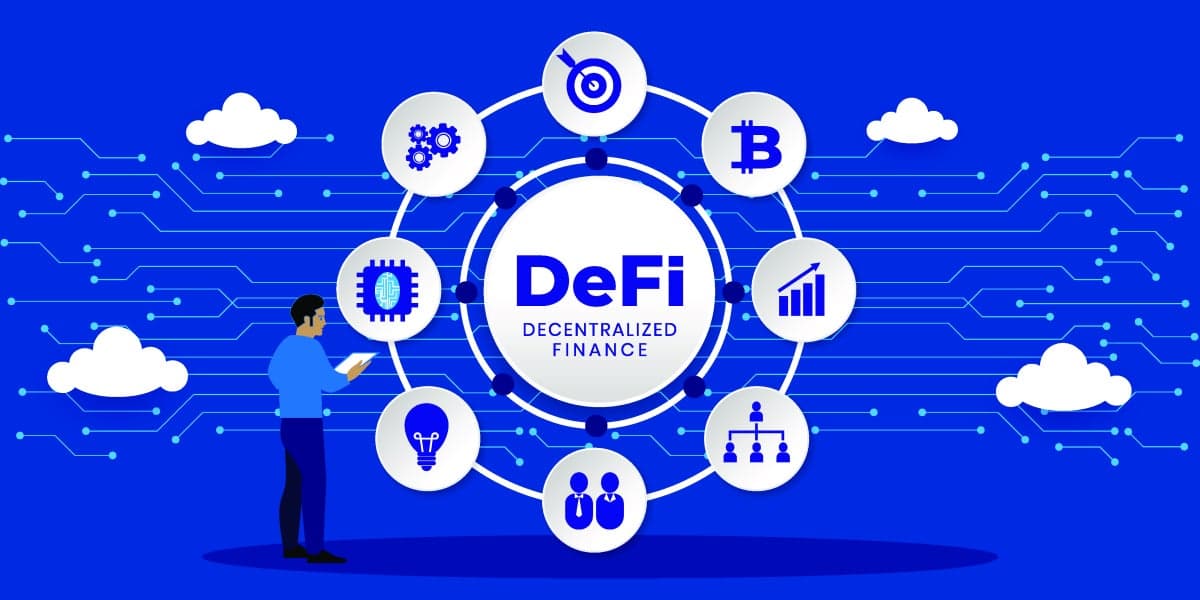
The decentralized finance (DeFi) landscape is no stranger to exploits, but the recent breach affecting Lien Finance has raised eyebrows across the crypto community. This incident, resulting in a loss of approximately $542,000, highlights vulnerabilities that persist in the burgeoning DeFi ecosystem. 🔍
Understanding the Exploit
Lien Finance, a player in the DeFi space, recently fell victim to an exploit that targeted its bond token logic. The attacker managed to mint unsupported bond tokens and exchange them for real liquidity, specifically USDC, draining a significant portion of the protocol's funds. This exploit was not just a simple hack; it was a sophisticated manipulation of the protocol’s pricing and validation mechanisms. 💡
What Happened?
The exploit centered around a flaw in Lien Finance's bond exchange mechanism. The issue lay within the exchangeEquivalentBonds function of the BondMakerCollateralizedEth contract. Essentially, this function failed to properly validate the bond groups, allowing the attacker to create bond tokens without the necessary collateral. These tokens were then swapped for USDC, exploiting the protocol's liquidity pools.
Broader Implications for DeFi
This exploit is not an isolated event but part of a broader trend in the DeFi sector. Security vulnerabilities have been a significant concern, with multiple protocols experiencing similar breaches. In July alone, the DeFi space saw significant losses due to various exploits, including a $24.15 million attack on AFX Trade's bridge infrastructure and a $7.54 million breach on the Verus Ethereum Bridge.
Industry-Wide Challenges
The Lien Finance incident underscores the need for robust security measures in DeFi protocols. As decentralized platforms continue to grow, so does the complexity of their smart contracts. This complexity can often lead to oversights, which skilled attackers can exploit. Security audits and rigorous testing are crucial to mitigate these risks.
The Role of Security Firms
Blockchain security firms, like SlowMist, play a pivotal role in identifying and analyzing these vulnerabilities. In the case of Lien Finance, SlowMist's analysis highlighted the specific flaws that allowed the exploit to occur. They emphasized the need for proper validation of bond groups to prevent similar incidents in the future.
Lessons Learned
- Rigorous Security Audits: Continuous audits by third-party security firms can help identify potential vulnerabilities before they are exploited.
- Enhanced Validation Protocols: Implementing stricter validation checks within smart contracts can prevent unauthorized token creation.
- Community Awareness: Educating the DeFi community about potential risks and best practices is essential for minimizing future exploits.
Looking Forward
The DeFi space is evolving rapidly, and with it, the nature of threats is also changing. Protocols must stay ahead by implementing cutting-edge security measures and collaborating with security experts. As more traditional financial institutions show interest in DeFi, the pressure to ensure robust security will only increase.
Key Takeaways
- Security Is Paramount: As DeFi grows, so does the need for comprehensive security frameworks.
- Continuous Improvement: Learning from each incident is crucial for the evolution of secure DeFi protocols.
- Collaboration Is Key: Working with security experts and the broader crypto community can help build a safer DeFi ecosystem.
In conclusion, the Lien Finance exploit serves as a stark reminder of the vulnerabilities within DeFi protocols. It highlights the ongoing challenges and the need for continuous vigilance in this exciting yet unpredictable sector of the crypto world. 🔐
You May Also Like
DeFi
RWA Deposits Surge to $7.4B as DeFi Market Shifts
August 26, 2026

DeFi
The $8.5M DAO Governance Heist: How $951 Broke DeFi Security
August 25, 2026
DeFi
Aave's Hidden Liquidation Risk: Concentrated Positions & DeFi Vulnerability
August 22, 2026
DeFi
The $15 Billion Crypto Exodus: LayerZero's Crisis
August 20, 2026