Category:
AltcoinsRipple's Banking Ties: The XRP Utilization Gap
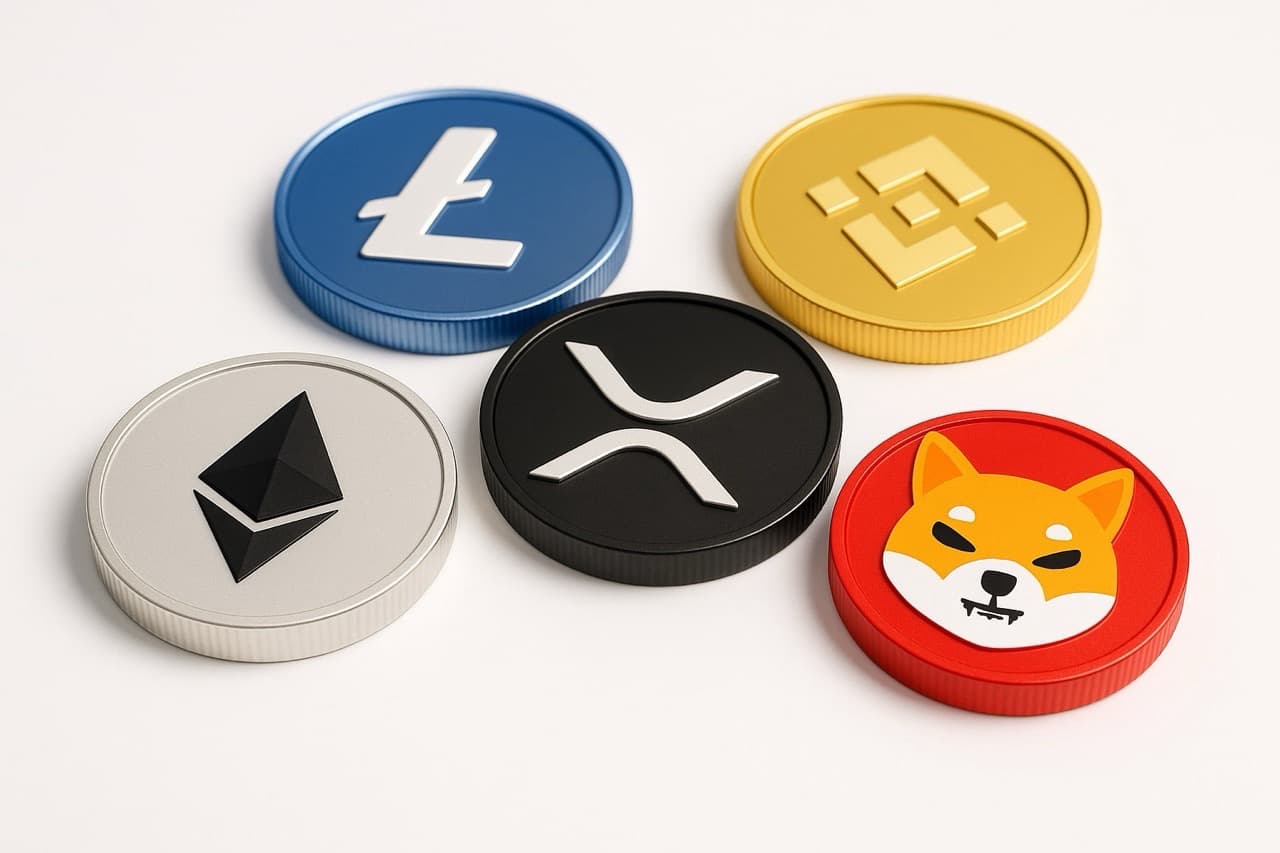
In the world of cryptocurrency, Ripple stands as a titan with its expansive network of over 300 institutional partners. Yet, despite this impressive roster, a perplexing issue remains: most of these partners never actually use XRP, Ripple's native digital asset. This dichotomy between Ripple's corporate success and XRP's stagnant price is a significant conundrum in the crypto community.
Understanding Ripple's Dual Offerings
Ripple's business model is bifurcated into two primary services: messaging and payment-connectivity software and On-Demand Liquidity (ODL). The former allows banks to send payment instructions and connect more efficiently than traditional methods, without requiring XRP. This service attracts about 60% of Ripple's partners. The latter, ODL, uses XRP as a bridge currency for cross-border transactions, involving only 40% of Ripple's partners.
Why Banks Avoid Holding XRP
Even among the banks utilizing ODL, few hold XRP directly. Instead, licensed exchanges and market makers handle the transactions, converting fiat to XRP and back to fiat, leaving the banks to deal purely in traditional currencies. This setup explains why XRP demand doesn’t automatically rise with Ripple's growing partner count.
The Significance of On-Demand Liquidity
ODL is crucial because it represents the primary use case for XRP within Ripple's ecosystem. Its adoption could potentially increase XRP demand, but only if its volume scales significantly. Presently, while ODL creates momentary demand for XRP, it doesn’t sustain price growth as banks don't hold the token.
The Bullish Perspective
Despite the apparent demand gap, there is optimism. ODL volume is growing, and regulatory clarity could spur institutional adoption of XRP. Furthermore, potential ETF flows might generate significant demand, independent of traditional banking channels.
Ripple's Global Footprint
Geographically, Ripple's impact varies. In regions with stringent banking regulations or less efficient cross-border payment systems, Ripple's technology offers tangible benefits, potentially increasing ODL usage.
What Needs to Change
For XRP to mirror Ripple's success, several changes are necessary:
- Increased ODL Adoption: More banking partners need to utilize ODL actively.
- Regulatory Clarity: Clear regulations could encourage more institutions to adopt XRP.
- Broader Institutional Use: ETFs and other institutional instruments could drive demand.
Conclusion: Navigating Ripple's Duality
Ripple's story is a tale of two paths: a thriving corporate entity and a digital asset still seeking its footing. Understanding this split is crucial for XRP holders and crypto enthusiasts. While Ripple's success doesn't guarantee XRP's rise, strategic changes could align the two, potentially transforming the landscape of digital finance.
Key Takeaways
- Ripple's partner count does not equate to XRP demand.
- Most partners use Ripple's technology without engaging with XRP.
- ODL is vital for XRP's utility and potential price growth.
- Regulatory developments and broader adoption are key to increasing XRP demand.