Category:
BlockchainSamsung Stablecoins: 800M Phones Ready for Crypto Revolution
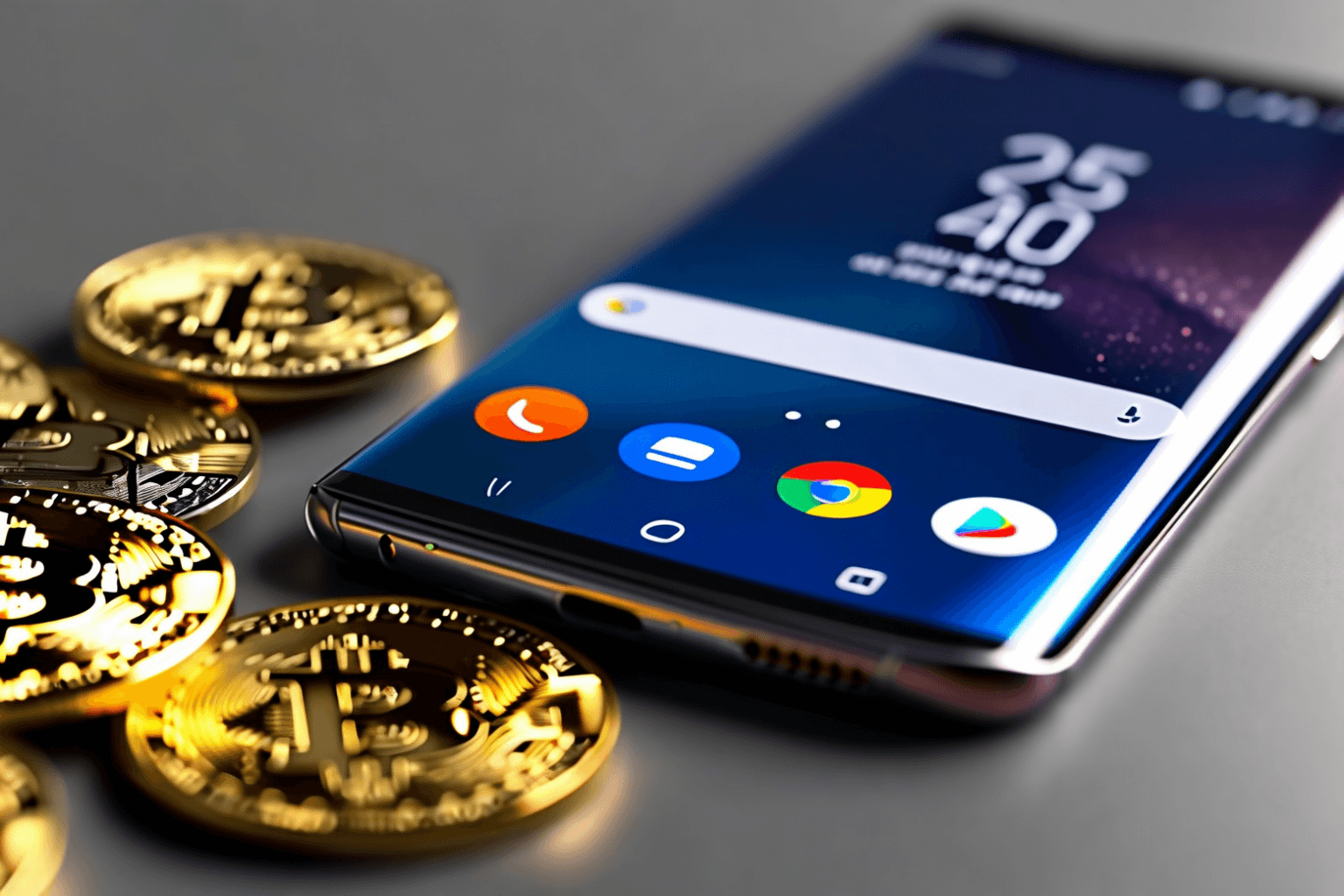
The Quiet Crypto Shift Happening Inside Your Phone 📱
Samsung just made a bold declaration that could reshape how billions of people interact with digital money. At Galaxy Unpacked 2026, the tech giant announced native stablecoin support coming to Samsung Wallet, potentially reaching 800 million devices worldwide. Yet despite the massive scale, the announcement raised as many questions as it answered—and that ambiguity reveals something crucial about the state of blockchain adoption.
The company displayed a mockup featuring USDC, the popular dollar-backed stablecoin, complete with send, receive, and add funds buttons. But Samsung remained silent on critical details: Which issuer would power the feature? What blockchain would process transactions? How would custody work? When would it actually launch? Which countries would get access first? These missing pieces aren't oversights—they're the real story.
Understanding Samsung's Seven-Year Crypto Foundation 🏗️
Samsung didn't wake up one morning and decide to add stablecoins. The company has been methodically building a cryptocurrency infrastructure inside Galaxy phones since 2019, laying groundwork that most consumers never noticed.
The journey began with the Galaxy S10, which introduced the Samsung Blockchain Keystore—a hardware-isolated vault using Knox security to store private keys safely. This wasn't a flashy consumer feature. It was foundational technology that proved Samsung could handle cryptographic assets without compromising device security.
That same year, Samsung added Ledger hardware wallet integration, allowing power users to connect external cold storage devices directly to their phones. For enthusiasts, this was transformative. For mainstream consumers, it remained a niche feature buried in settings menus.
The real acceleration happened in 2025. Samsung partnered with Coinbase, transforming Samsung Pay into a funding gateway for crypto purchases. Suddenly, 75 million Galaxy owners in the United States could buy Bitcoin or Ethereum without leaving the Samsung ecosystem. By October 2025, the integration deepened further—Samsung Wallet users gained direct access to Coinbase One membership, complete with zero trading fees and enhanced staking rewards.
Each step followed a clear pattern: move crypto closer to interfaces consumers already use daily. The blockchain keystore was standalone. Coinbase integration became embedded. Now stablecoins are coming as a native feature.
The Samsung-Dunamu Connection: Reading Between the Lines 🔍
The stablecoin announcement didn't exist in isolation. Just days before Galaxy Unpacked, Samsung revealed something that provides crucial context: three Samsung affiliates had invested $408 million to acquire a combined 4% stake in Dunamu, the operator of Upbit, South Korea's largest cryptocurrency exchange.
This wasn't a casual investment. Samsung purchased 1.39 million shares from entities linked to Kakao, one of South Korea's tech giants. The timing and structure suggest strategic intent rather than financial speculation.
During Samsung SDS's second quarter 2026 earnings call on July 30, company executives identified stablecoin infrastructure as the first collaboration priority with Dunamu. This statement is significant. It transforms the Dunamu investment from a passive stake into an active partnership focused on a specific technological objective.
What does this mean practically? Samsung likely gains access to Dunamu's regulatory relationships, exchange infrastructure, and technical expertise in South Korea—a country with one of the world's most sophisticated and regulated crypto markets. For a company trying to launch stablecoins globally, having a partner with deep roots in a major Asian market provides invaluable advantages.
Why Samsung Wallet Matters More Than You Think 💡
Samsung Wallet isn't just another app. The company claims nearly 19 million active users in South Korea alone, with operations spanning 61 countries. Samsung shipped 241 million Galaxy phones in 2025, making it one of the world's largest mobile platforms.
Now imagine stablecoin functionality reaching even a fraction of that installed base. Suddenly, digital money transfers become available to hundreds of millions of people through their existing phones, without requiring them to download specialized apps or navigate complex crypto exchanges.
This represents a fundamental shift in how blockchain technology reaches mainstream consumers. Historically, crypto adoption required intentional effort—seeking out exchanges, installing wallets, learning about keys and addresses. Samsung is attempting to invert that model: make stablecoins the default rather than the opt-in experience.
The Galaxy Card announcement at the same event reinforces this strategy. Samsung's first United States credit card, issued by Barclays on the Visa network, offers 5% rewards on Samsung purchases, 3% on Samsung Wallet transactions, and tiered rewards on other purchases. The card and stablecoin roadmap serve the same objective: making Samsung Wallet the central financial hub for Galaxy owners.
The Regulatory Puzzle Underlying the Announcement ⚖️
Samsung's silence on issuer, blockchain, and custody details isn't mysterious when viewed through a regulatory lens. South Korea is actively developing digital asset legislation that could fundamentally reshape how companies like Samsung approach stablecoin distribution.
The pending South Korean digital asset law represents one of the world's most comprehensive regulatory frameworks for cryptocurrency. Samsung's $408 million investment in Dunamu, combined with its partnership focus on stablecoin infrastructure, suggests the company is positioning itself to comply with whatever requirements emerge from this legislation.
This is infrastructure thinking. Samsung isn't announcing a product; it's announcing a direction while simultaneously building the regulatory, technical, and partnership foundations to support it. The mockup on stage served a purpose: signal commitment to the market while buying time to navigate the regulatory environment.
What Remains Unknown—And Why It Matters 🤔
The gap between Samsung's announcement and actual product specifications is enormous. The company disclosed:
- No confirmed issuer (the USDC mockup may or may not indicate a Circle partnership)
- No designated blockchain (Ethereum, Polygon, Solana, or proprietary chain remain possibilities)
- No custody model (Samsung-controlled, third-party custodian, or decentralized arrangements are all possible)
- No launch window (months away or years away remains unclear)
- No eligible markets list (global rollout or regional pilots could be the path forward)
These aren't minor details. They determine whether Samsung's stablecoin feature becomes a genuine financial tool or remains a proof-of-concept that never reaches production.
The 800 million figure, while attention-grabbing, requires context. Samsung arrived at this number as a target for Galaxy AI adoption by end of 2026—it doesn't represent Samsung Wallet users, stablecoin-eligible devices, or phones that will actually receive the feature at launch. The company hasn't disclosed global Samsung Wallet active user counts or existing crypto adoption within its user base.
The Real Test: Execution and Adoption 🎯
Samsung has proven it can build crypto infrastructure. The blockchain keystore, Ledger integration, and Coinbase partnership all demonstrate technical competence and strategic vision. But building infrastructure differs fundamentally from achieving mainstream adoption.
The real test begins after launch. Will ordinary consumers—people who don't follow crypto news or understand blockchain technology—actually use Samsung's stablecoin feature? Will they trust storing money in a digital wallet? Will merchants accept stablecoin payments?
Historically, mobile payment adoption required years and massive ecosystem coordination. Apple Pay, Google Pay, and Samsung Pay all faced skepticism before reaching critical mass. Stablecoins face an additional hurdle: they require consumers to understand and trust a new form of money.
Samsung's approach of embedding stablecoins as a native feature rather than requiring separate app downloads removes friction. But friction reduction alone won't guarantee adoption. The company must also demonstrate clear advantages over existing payment methods.
Implications for the Broader Crypto Ecosystem 🌍
If Samsung successfully executes this strategy, the implications extend far beyond one company's product roadmap. A major technology manufacturer bringing stablecoins to hundreds of millions of devices would represent a watershed moment for blockchain adoption.
It would signal that stablecoins have matured from niche financial instruments into mainstream payment infrastructure. It would demonstrate that traditional tech companies view blockchain not as a speculative asset class but as foundational technology for future financial systems.
Conversely, if Samsung's stablecoin feature struggles to gain traction or faces regulatory obstacles, it would reinforce persistent questions about whether blockchain technology can achieve mainstream adoption outside cryptocurrency enthusiast communities.
The cryptocurrency industry has long promised that blockchain would revolutionize payments and financial services. Samsung's stablecoin initiative represents one of the most credible attempts to deliver on that promise at scale. But promises and products remain distinct categories until the real test—actual consumer adoption—begins.
Looking Ahead: What Comes Next 🚀
Samsung's announcement marks a beginning, not a conclusion. The company has signaled direction and built partnerships. Now comes the difficult work of navigating regulatory requirements, finalizing technical specifications, and convincing consumers that stablecoins deserve a place in their daily financial lives.
The Dunamu investment, the Coinbase partnership, the Galaxy Card launch, and the stablecoin announcement represent pieces of a larger strategic puzzle. Samsung is attempting to build what product manager Lee Dinham called "an interconnected financial ecosystem across Galaxy devices and services."
Whether that vision becomes reality depends on execution, regulatory environment, and consumer acceptance. The announcement was impressive. The real test hasn't started yet. When it does, Samsung's ability to deliver stablecoins to mainstream users could reshape how billions of people understand and interact with digital money.
For now, the mockup on stage remains exactly that—a direction, not a destination. But it's a direction that the world's largest smartphone manufacturer is clearly committed to pursuing.
You May Also Like

Blockchain
The Sandbox Bridge Exploit: $49B Phantom SAND Tokens Explained
August 26, 2026

Blockchain
MANTRA Chain Resumes Blocks After Critical Cosmos-EVM Fix
August 24, 2026

Blockchain
Crypto Card Spending Surges 2.5x to $759M in July
August 19, 2026

Blockchain
African Financial Company Issues Historic $431M Digital Bond
August 17, 2026