Category:
DeFiSummer.fi Faces $6M Exploit Amid Security Concerns
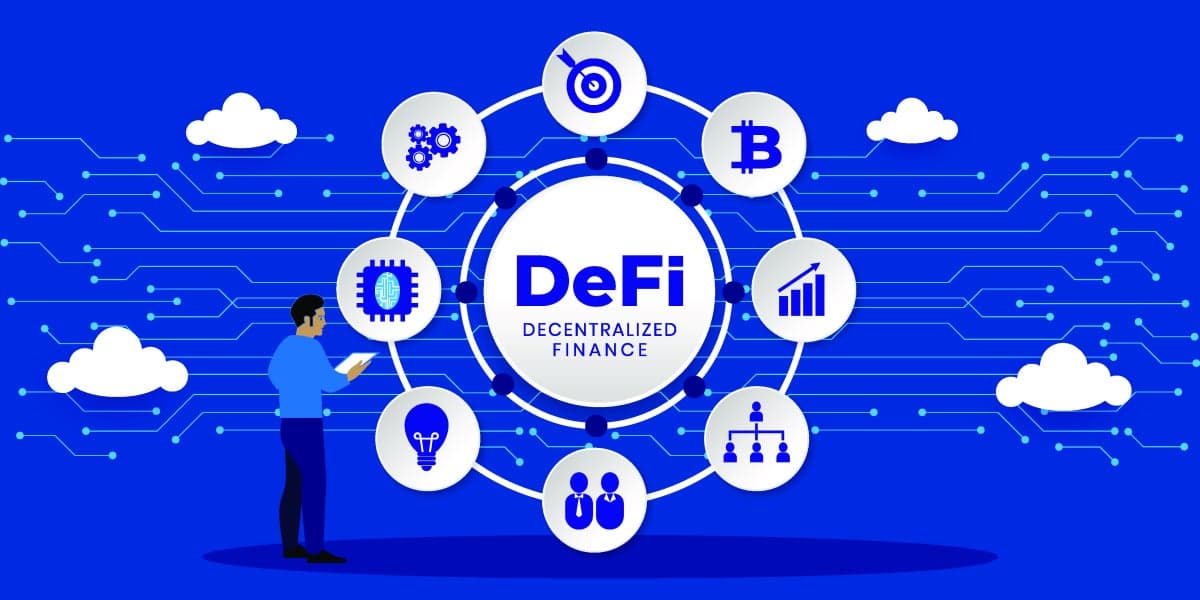
The DeFi sector is no stranger to security breaches, and the recent attack on Summer.fi has once again highlighted the vulnerabilities in decentralized finance platforms. Blockaid, a leading security firm, identified an ongoing exploit on Summer.fi, a yield aggregation and automated vault management platform, resulting in approximately $6 million being drained from the platform. This incident underscores the critical need for robust security measures in the rapidly evolving DeFi landscape.
The Summer.fi Exploit: What Happened? 🔍
Summer.fi, known for its automated vault tools, allows users to manage yield strategies with minimal manual intervention. However, the complexity of these systems can introduce vulnerabilities. Blockaid's alert revealed that the attack was active, but the exact technical cause remained undisclosed at the time. The exploit has sparked a wave of concern among users who rely on these automated systems for managing their crypto assets.
Understanding DeFi Vaults
DeFi vaults like those provided by Summer.fi enable users to optimize returns by automatically routing funds across various lending, staking, and liquidity protocols. While this reduces manual effort, it also increases the potential for exploits due to the many moving parts involved, such as smart contracts, vault permissions, and external integrations.
A Year of DeFi Breaches 📉
The Summer.fi incident adds to a series of security breaches that have plagued the DeFi sector this year. In April, Binance Research reported that DeFi exploits wiped out approximately $13 billion in Total Value Locked (TVL), highlighting the significant financial impact of these attacks. Notably, Stake DAO and Token of Power have also suffered substantial losses due to similar exploits.
Previous Exploits and Their Implications
- Stake DAO: Faced an exploit where an attacker minted trillions of vsdCRV tokens, leading to a significant drain of funds.
- Token of Power: Suffered a $1.58 million loss from a Balancer V1 pool due to a governance takeover attack.
These incidents not only result in financial losses but also erode user trust in decentralized platforms.
The Role of Security Firms 🌐
Security firms like Blockaid play a crucial role in detecting and mitigating threats in the DeFi space. Their ability to identify active exploits before detailed technical reports are available can prevent further losses and enhance the overall security posture of DeFi platforms.
Blockaid's Track Record
- FOX Colony on Arbitrum: Blockaid flagged a smart contract exploit related to ShapeShift, showcasing their proactive threat detection capabilities.
- SquidRouterModule: Detected a $3 million exploit involving Gnosis Safes, demonstrating their expertise in identifying complex attack vectors.
What Lies Ahead for Summer.fi and DeFi? 🔮
The immediate focus for Summer.fi is to conduct a thorough investigation and release a detailed post-mortem report. Users are keenly awaiting information on whether any of the stolen funds can be traced, frozen, or recovered. The outcome of this investigation could have significant implications for the trust and future of automated DeFi vaults.
Key Takeaways
- Security Measures: Enhanced security protocols are essential to safeguard user funds and maintain trust in DeFi platforms.
- User Vigilance: Users should remain vigilant and informed about the platforms they engage with, understanding the inherent risks involved.
As the DeFi sector continues to grow, the importance of robust security frameworks and proactive threat detection cannot be overstated. The Summer.fi incident serves as a stark reminder of the challenges that lie ahead in securing decentralized finance.
In conclusion, while DeFi offers exciting opportunities for financial innovation, the sector must prioritize security to ensure sustainable growth and user confidence. As we move forward, the collaboration between platforms, security firms, and the wider crypto community will be pivotal in addressing these challenges and fortifying the DeFi ecosystem against future threats.