Category:
AltcoinsXRP Card: A New Era of Crypto-Backed Spending
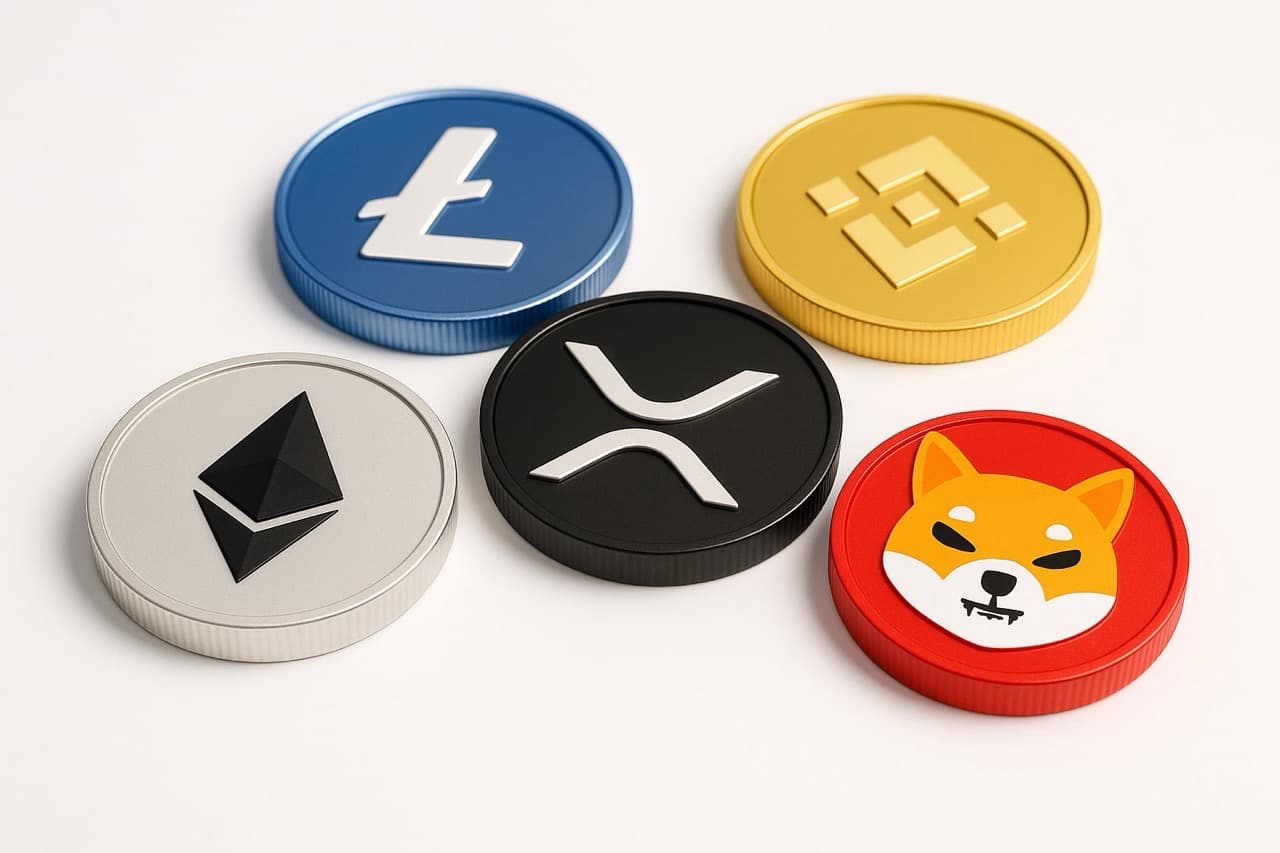
In the ever-evolving world of cryptocurrency, new financial products frequently emerge, promising to reshape how we interact with digital assets. One such innovation is the XRP card, a product that seamlessly merges the realms of crypto and conventional finance. This card, developed by RedotPay, offers users the ability to spend their XRP without selling it, leveraging it instead through a margin loan structure. Let's dive into how this works and what it means for the future of crypto payments.
Understanding the XRP Card Mechanism 🔍
At its core, the XRP card is a securities-backed lending product. Users can pledge their XRP holdings as collateral to receive a credit line. This credit is equivalent to 50% of the pledged XRP’s value and is denominated in RLUSD, Ripple’s stablecoin. This credit is then usable anywhere Visa is accepted, offering a blend of crypto exposure and traditional spending ease.
Key Features of the XRP Card
- Collateralized Credit: Users pledge XRP, securing a credit line in RLUSD.
- Visa Network Compatibility: Spend RLUSD at any merchant accepting Visa.
- Preserve XRP Holdings: Maintain exposure to XRP price movements without selling.
- No Immediate Tax Implications: Since borrowing isn’t a sale, users avoid immediate tax events.
The Financial Innovation Behind the Card 💡
This card is a testament to the growing trend of integrating cryptocurrency with traditional financial systems. The appeal lies in its ability to offer liquidity without forcing users to liquidate their crypto positions. This is particularly beneficial for long-term XRP holders who wish to maintain their investment positions while accessing liquidity.
The Rise of Stablecoin Payments
RedotPay’s initiative aligns with the broader trend of stablecoin adoption. Over the past year, stablecoin transaction volumes have surged, with RedotPay reporting an 80% increase in stablecoin card volume. Such growth underlines the increasing utility of stablecoins as a reliable medium of exchange, particularly in regions with challenging banking infrastructures.
Potential Risks and Considerations ⚠️
While the XRP card offers exciting opportunities, potential users must be aware of inherent risks. The card’s function as a margin loan means that users are subject to liquidation risks if XRP prices drop significantly. Additionally, the costs of borrowing and terms of liquidation are crucial factors that RedotPay users need to consider.
Market Volatility and Risk Management
- Market Fluctuations: A drop in XRP value could lead to liquidation of the collateral.
- Borrowing Costs: Understanding the interest rates and fees associated with the card is essential.
- Regulatory Environment: As crypto regulations evolve, they may impact the functionality and accessibility of such products.
Broader Implications for the Crypto Market 🌐
The introduction of the XRP card by RedotPay is not just a new product launch; it represents a significant milestone in the maturation of the crypto payment ecosystem. By allowing users to leverage their crypto assets without selling, it opens new avenues for financial flexibility and integration.
Future Prospects
- Increased Adoption: As more users become comfortable with leveraging their crypto assets, expect greater adoption of similar products.
- Enhanced Financial Products: The success of the XRP card could spur the development of more sophisticated financial instruments in the crypto space.
- Regulatory Developments: As authorities catch up with these innovations, expect clearer guidelines and frameworks.
Conclusion: A Pioneering Step Forward 🚀
The XRP card by RedotPay is a pioneering product that bridges the gap between cryptocurrency and everyday financial transactions. While it presents exciting opportunities, users must navigate the associated risks carefully. With the rapid evolution of the crypto landscape, products like the XRP card highlight the potential for digital assets to reshape financial systems worldwide.
You May Also Like
Altcoins
NCT Price Surge 200% on Upbit KRW Listing
August 26, 2026
Altcoins
WBT Reaches New All-Time High as Crypto Infrastructure Turns Institutional
August 26, 2026
Altcoins
Pi Network's August 24 Pricing Shakeup: End of Subsidized App Building
August 25, 2026
Altcoins
XRP Undervalued? Seven Spot ETFs & $1.4B Flows Tell
August 25, 2026