Category:
AltcoinsRipple's $2.7B Journey to Wall Street: XRP's Role
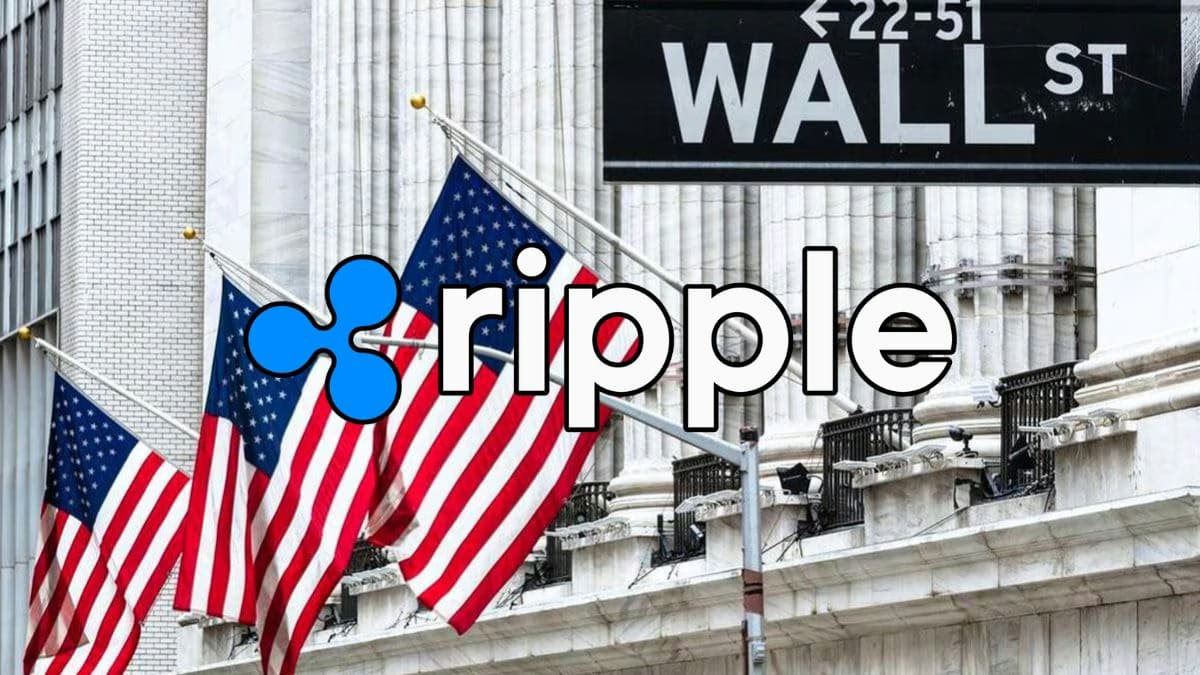
In recent years, Ripple has embarked on a transformative journey, spending over $2.7 billion to reshape itself from a blockchain payments company into a Wall Street powerhouse. This strategic pivot has raised questions about the role of XRP, the cryptocurrency closely associated with Ripple. Let's explore Ripple's evolution and what it means for XRP holders.
Ripple's Transition from Payments to Conglomerate 🚀
Ripple's journey began as a focused payments company, developing cross-border settlement technology with XRP as a bridge asset. However, constrained by a prolonged SEC lawsuit, Ripple found itself limited in its expansion efforts. The resolution of this legal battle in Ripple's favor unleashed their potential, allowing them to strategically acquire companies in the institutional finance sector.
A Strategic Acquisition Spree 🏦💼
Ripple's acquisition spree is one of the most aggressive in cryptocurrency history. The company has closed approximately 10 significant deals, including the $1.25 billion purchase of prime broker Hidden Road, now rebranded as Ripple Prime. This acquisition alone handles trillions of dollars annually and has tripled in size post-acquisition.
- Prime Brokerage: Ripple Prime is now a key player in the clearing system, competing with established Wall Street firms.
- Treasury Management: Acquiring companies serving Fortune 500 clients allowed Ripple to enter the multi-trillion-dollar corporate treasury market.
- Stablecoin Integration: Ripple's acquisition of a stablecoin-payments platform is a strategic move to integrate the RLUSD stablecoin across its platforms.
These acquisitions have created a vertically integrated institutional-finance stack, positioning Ripple as a formidable competitor in traditional finance.
Ripple's Backing and Institutional Ambitions 💼📈
Ripple's transformation has attracted backing from financial giants like Fortress and Citadel Securities. By assembling a multi-asset conglomerate, Ripple is now competing directly with Wall Street names, aiming to capture a substantial share of institutional finance.
Where Does XRP Fit? 🤔
Despite Ripple's success in building a financial conglomerate, the role of XRP remains complex. The acquisitions prioritize the company's growth and the RLUSD stablecoin, leaving XRP holders wondering about its future.
- Indirect Benefits: XRP benefits indirectly from Ripple's successes, as the infrastructure built around it can potentially drive demand for the token.
- Uncertain Demand: The central question is whether Ripple will channel meaningful settlement volume through XRP, transforming it into a genuine demand engine.
The Broader Context: Crypto and Institutional Finance 🌐
Ripple's strategy aligns with broader trends in the cryptocurrency space, where companies are increasingly targeting institutional finance. With Bitcoin and Ethereum paving the way, altcoins like XRP are finding niche opportunities in decentralized finance (DeFi) and Web3 developments.
Industry Trends 📊
- Regulatory Clarity: The resolution of legal challenges such as Ripple's SEC case is crucial for the industry's growth.
- DeFi Expansion: Decentralized finance continues to attract institutional interest, offering new opportunities for altcoins.
- Market Analysis: As Ripple expands, monitoring its impact on XRP's market performance becomes essential for investors.
Conclusion: The Future of Ripple and XRP 🔮
Ripple's $2.7 billion investment has transformed it into a Wall Street contender, with XRP's role remaining a subject of debate. While the token benefits indirectly, its future hinges on Ripple's strategic decisions and the evolving regulatory landscape.
As the cryptocurrency industry matures, Ripple's journey serves as a case study in strategic growth and adaptation. XRP holders and investors should stay informed about Ripple's developments and industry trends to navigate this dynamic landscape successfully.
You May Also Like
Altcoins
XRP Ledger Retires 5 Amendments: What Users Need to Know
August 10, 2026
Altcoins
XRP Ledger 3.3.0: Privacy and Batch Features Explained
August 8, 2026
Altcoins
Cardano Price Surges 25% This Week: Can Bulls Defend $0.20?
August 7, 2026
Altcoins
HYPE Price Targets $57.30 Amid Q2 Buyback Rally
August 7, 2026