Category:
Market AnalysisFed Warns AI-Driven Inflation as Rate Hike Odds Rise

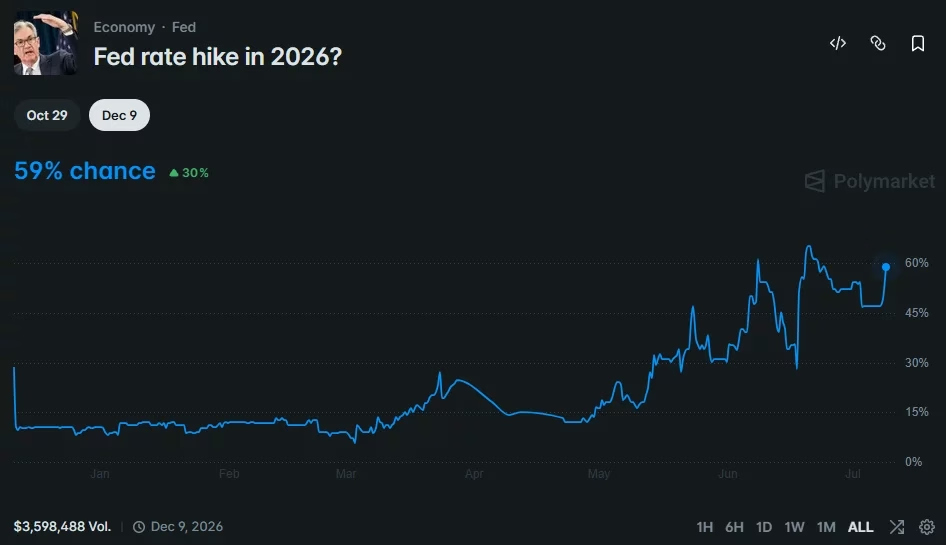
The Federal Reserve's latest deliberations have brought artificial intelligence (AI) into the spotlight, highlighting it as a potential catalyst for inflationary pressures. As the odds of an interest rate hike climb above 59%, the economic landscape is poised for significant shifts. 🌐📈
The AI Inflation Dilemma 🤖🔍
Recent minutes from the Federal Reserve's Federal Open Market Committee (FOMC) meeting have underscored AI's role in driving demand and potentially keeping inflation elevated. This development is critical as the Fed aims to maintain inflation around its 2% target. The burgeoning AI sector, with its rapid adoption across industries, is creating new economic dynamics that could influence monetary policy decisions.
The Broader Economic Context 🌎📊
AI is not the only factor at play. The Fed also identified geopolitical tensions, such as those in the Middle East, and tariffs as contributors to inflationary risks. These elements create a complex backdrop for the Fed's policy-making process. Historically, such variables have required careful navigation to avoid stoking inflation while supporting economic growth.
Interest Rate Prospects 📈🔮
As of now, prediction markets have priced in a 59% chance of a Federal Reserve rate hike by the end of the year. This is a significant increase from previous estimates and reflects growing concerns over persistent inflation. Simultaneously, the CME FedWatch Tool indicates a 69.5% probability of maintaining the status quo in the upcoming July FOMC meeting.
Diverging Views Within the Fed 🏛️📉
The June meeting minutes revealed differing opinions among Fed officials regarding interest rate strategies. While some members advocate for holding or potentially lowering rates if inflation eases, others believe higher rates might be necessary should AI and geopolitical factors keep inflation above the desired threshold.
AI's Role in Economic Strategy 💻💡
AI's influence extends beyond inflation. It's revolutionizing industries, enhancing productivity, and reshaping labor markets. As companies integrate AI to optimize operations, the ripple effects on employment, consumer prices, and economic growth become more pronounced. Policymakers must consider these factors when devising strategies to balance growth with price stability.
Geopolitical Tensions Add Complications ⚔️🌍
In addition to AI, current geopolitical dynamics, particularly involving the U.S. and Iran, add layers of complexity to inflation forecasts. These tensions can affect energy markets and global trade, further influencing inflationary trends. Policymakers are watching these developments closely, as they could necessitate adjustments in interest rates to mitigate economic volatility.
Conclusion: Navigating an Uncertain Future 🧭🔮
The Federal Reserve faces a challenging path as it balances the transformative potential of AI with geopolitical and economic risks. The trajectory of interest rates remains uncertain, hinging on forthcoming inflation data and external developments. Investors and policymakers alike will need to stay vigilant as they navigate this evolving landscape.
In conclusion, AI's impact on inflation and the potential for a rate hike reflect a complex interplay of innovation and economic pressures. As the Fed monitors these factors, stakeholders should prepare for possible shifts in economic policy. The coming months will be crucial in determining how these trends unfold and affect both the U.S. and global economies.
You May Also Like

Market Analysis
XRP Price Falls 5% as Leverage Hits Seven-Month High
August 26, 2026

Market Analysis
Crypto Market Hits Extreme Greed: What This Means for Bitcoin
August 26, 2026

Market Analysis
Ethereum Price Rally Overheats Below $2,550 Resistance
August 26, 2026

Market Analysis
Hyperliquid Price Rally: HYPE Targets $97 Amid $80 Support
August 25, 2026