Category:
Market AnalysisBitcoin Stalls Below $64K Amid Fed Hopes and Oil Risks

Bitcoin's price has been a rollercoaster, recently stalling below the crucial $64,000 mark. As traders navigate this volatile landscape, a mix of factors such as Federal Reserve policy decisions, rising oil prices, and technical resistance are shaping Bitcoin's near-term trajectory. Let's dive into the details and explore what lies ahead for the leading cryptocurrency.
The Current Market Landscape 🌟
Bitcoin has managed to maintain a position above $63,000 after a significant rebound driven by macroeconomic factors. This resurgence was fueled by Federal Reserve Chair Kevin Warsh's comments on AI-driven productivity gains, which could help mitigate inflation. Moreover, a weaker-than-expected U.S. jobs report, indicating only 57,000 new payroll additions, heightened expectations for interest-rate cuts, which typically boost liquidity and revive interest in risk assets like Bitcoin.
Technical Analysis: Resistance and Support Levels 🔍
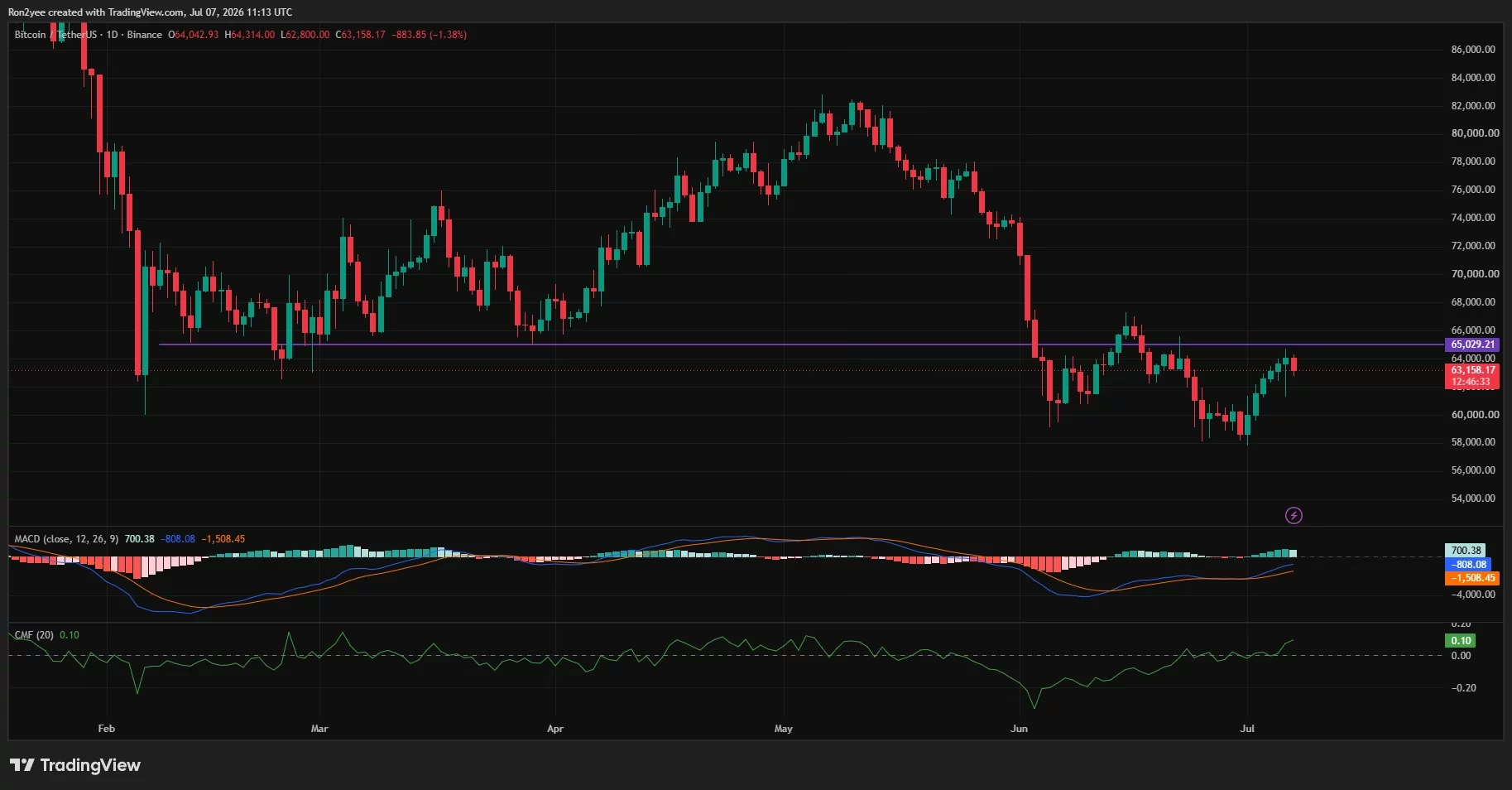
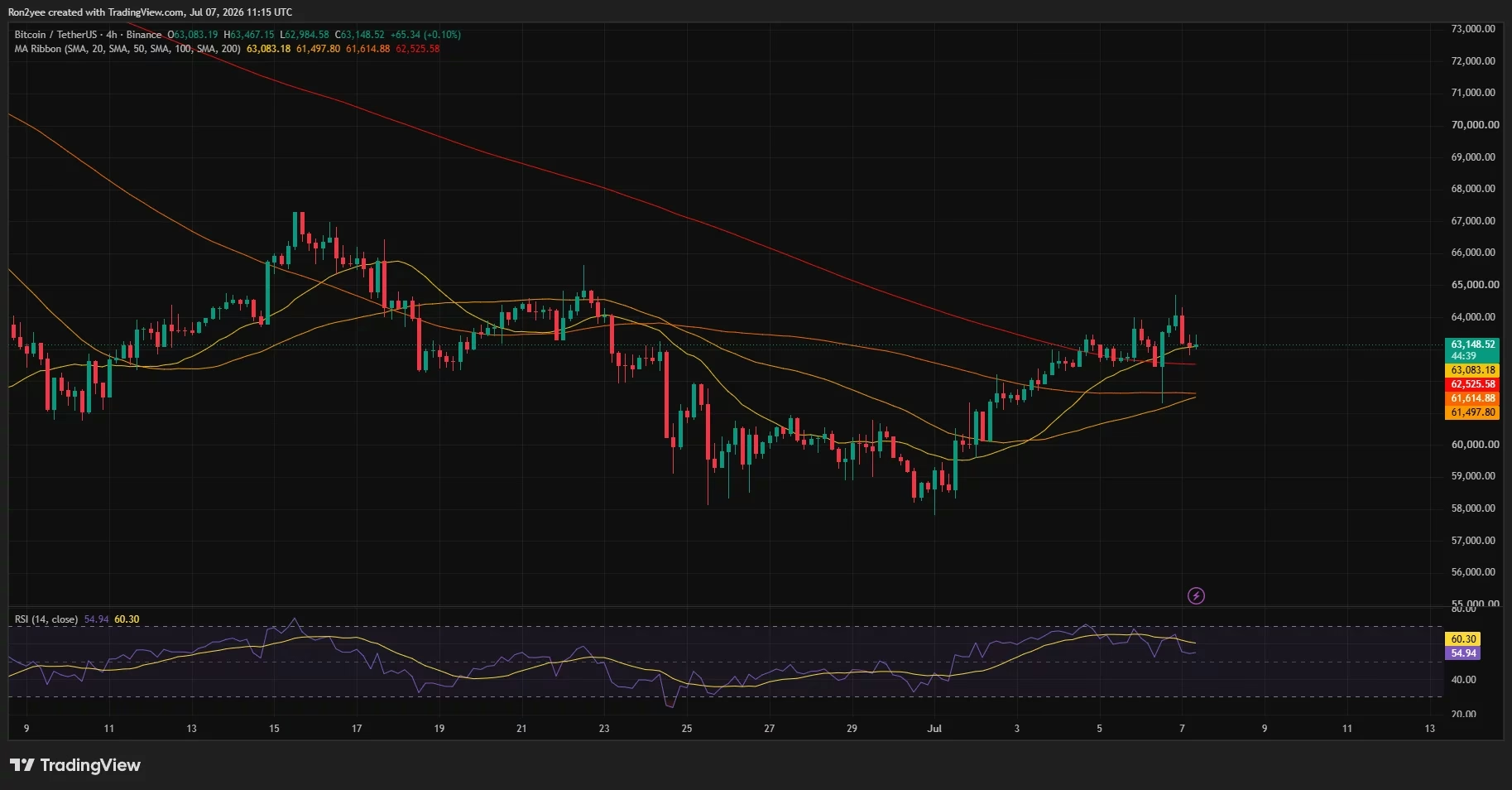
From a technical standpoint, Bitcoin faces formidable resistance in the $64,000-$65,000 range. The price remains below the crucial 50-day moving average of $65,800, suggesting a challenging path ahead for bulls. Conversely, support is seen near $61,000, backed by several moving averages converging between $61,500 and $63,000.
Bearish Divergence Signals Caution 🚩
A closer look at the Relative Strength Index (RSI) reveals a bearish divergence, with the RSI forming lower highs while prices attempt higher highs. This divergence often signals weakening buying momentum, hinting at potential downward pressure if the $64,000 resistance persists.
External Influences: Oil Prices and Geopolitical Tensions 🌎
Macro risks continue to loom large as geopolitical tensions in the Strait of Hormuz escalate. A recent incident involving a projectile striking a Qatari LNG carrier has reignited concerns over energy supply security. With crude oil prices rising above $69 per barrel, the Federal Reserve may face increased challenges in managing inflation, potentially complicating future monetary policy decisions.
The Role of Institutional Demand 📈
Recent net inflows into U.S. spot Bitcoin ETFs suggest a cautious return of institutional investors to the market. This renewed interest comes after a period of significant outflows, signaling that some investors are optimistic about Bitcoin's long-term prospects despite short-term challenges.
Future Outlook: Key Levels to Watch 👀
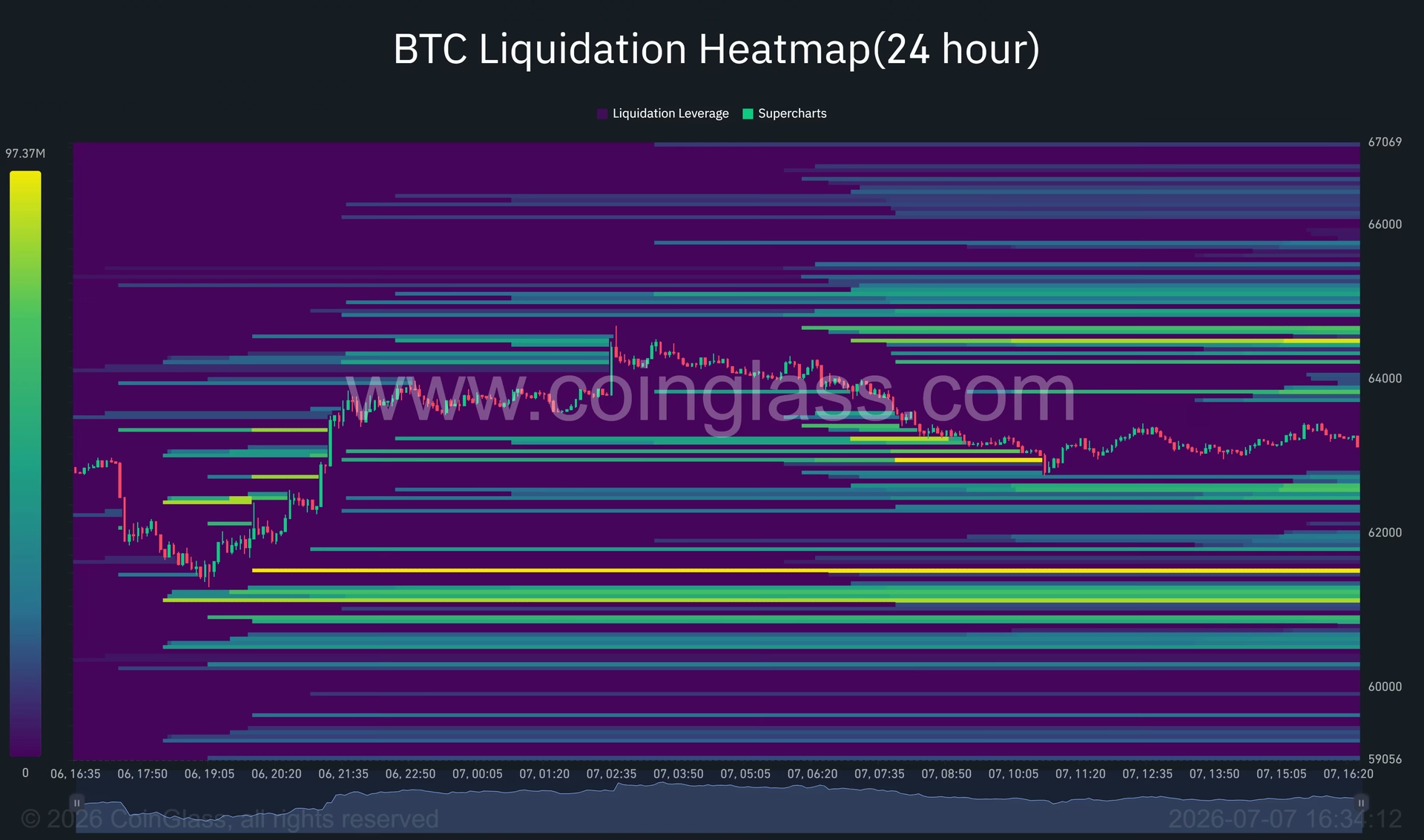
As the market awaits the Federal Open Market Committee (FOMC) meeting minutes, which could provide further guidance on rate cuts, Bitcoin's price action remains at a crossroads. A break above $64,000 could pave the way to the 50-day moving average, while failure to hold above this level might invite further selling pressure towards the $60,700-$61,000 support zone.
Conclusion: Navigating the Uncertainty 🔮
Bitcoin's journey through this turbulent period underscores the importance of staying informed and vigilant. As macroeconomic factors continue to influence market dynamics, traders should watch for key resistance and support levels, as well as external geopolitical developments, to make informed decisions.
In the ever-evolving world of cryptocurrency, staying ahead requires not just understanding current trends but anticipating future moves. Whether you're a seasoned investor or a curious observer, keeping an eye on these developments will be crucial in navigating the volatile yet promising landscape of Bitcoin.
Disclaimer: This article is for educational purposes only and does not constitute financial advice.
You May Also Like

Market Analysis
XRP Price Falls 5% as Leverage Hits Seven-Month High
August 26, 2026

Market Analysis
Crypto Market Hits Extreme Greed: What This Means for Bitcoin
August 26, 2026

Market Analysis
Ethereum Price Rally Overheats Below $2,550 Resistance
August 26, 2026

Market Analysis
Hyperliquid Price Rally: HYPE Targets $97 Amid $80 Support
August 25, 2026